

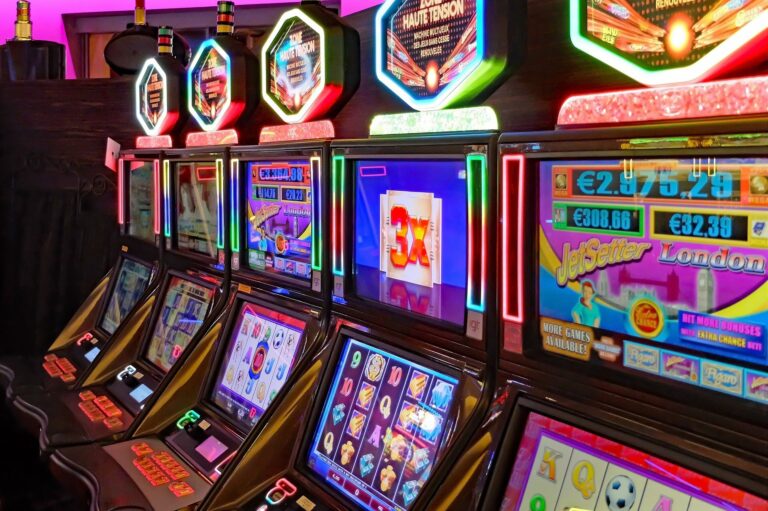
Recognizing your own gambling behaviour is not always straightforward, but it is one of the most important steps you can take cashed-au.com. Self-assessment tools are designed to help you consider honestly on how gambling plays a role into your life, from the time you spend playing to the way you feel after a session. At Cashed Casino, we are convinced that informed players make safer choices, which is why we encourage everyone to use these tools regularly. They are not tests you can succeed at or fail, and they are not meant to identify a gambling disorder. Instead, they provide a structured way to review patterns, recognize areas of concern, and direct you toward the right support if needed.
Why self-assessment matters
Numerous people do not realise how rapidly gambling can move from an sporadic pastime to a pattern that affects their health. A self-assessment can reveal minor changes that are simple to overlook when you are centered on the following bet. By responding to questions about your spending, time, mood, and relationships, you develop a sharper picture of your present behaviour. This method is beneficial even if you think you are in complete control, because it assists establish a personal baseline. If your answers shift over time, you can identify warning signs early. We view self-assessment as a forward-looking tool, not a reaction to a crisis, and suggest using it before problems feel overwhelming.
Self-assessment also lessens shame and secrecy, which often prevent people from pursuing help. When you complete an anonymous questionnaire, you need not need to explain yourself to anyone. The tool simply reflects back what you already understand but may not have confessed. This can be a soft and personal way to initiate a dialogue with yourself about your gambling habits. It also gives you terminology to articulate what you are feeling if you later choose to reach out a advisor or support service. At Cashed Casino, we intend to normalise these checks as part of controlled play, because frequent reflection promotes long-term enjoyment without harm.
Accessing Support throughout Australia
Australia has a range of no-cost and confidential services for those impacted by gambling. Gambling Help Online delivers 24/7 chat and phone counselling, while Lifeline delivers crisis support for emotional distress. State-based services, such as GambleAware in New South Wales and the Victorian Responsible Gambling Foundation, deliver local counselling and financial advice. These services are staffed by trained professionals who recognize the pressures and stigma that often accompany problem gambling. You are not required to have a formal diagnosis to reach out, and you can remain anonymous. Speaking with someone who understands without judgement can aid you make sense of your situation and examine practical strategies for change.
Many people also gain from talking to their GP or a mental health professional, especially if gambling is linked to anxiety, depression, or other concerns. A GP can evaluate your overall wellbeing, refer you to a psychologist, or help you create a mental health care plan that offers subsidised sessions. Financial counsellors are another helpful option if gambling has affected your budget or debts. They can assist you grasp your options and discuss with creditors without judgement. At Cashed Casino, we urge you to utilize these supports alongside our responsible gambling tools, because professional guidance can create a meaningful difference. Reaching out demonstrates strength, not failure.
Interpreting Your Results
After you take a self-assessment, you may see a score or a category such as low risk, moderate risk, or high-risk. These categories are not a medical diagnosis, but they can help you figure out what to do next. A low-risk result does not mean you should stop paying attention, because conduct can change over time. A moderate-risk result may imply that it is a good time to reevaluate your limits and take a short break. A high-risk result is a strong signal that you should consider self-exclusion and get in touch with a professional support service. We advise you to view any result as useful information rather than a judgement about your character.
It is normal to experience defensive or unsettled when a result suggests higher risk than expected. That feeling is understandable, and it does not mean the tool is wrong. Take a few days to let the information sink in, then come back to it with a calmer mind. You might ask yourself whether the result aligns with your own experience, or whether there are areas you have been steering clear of. Some people benefit from to do a second self-assessment after a few weeks to see if anything has changed. The goal is not to attain a perfect score, but to become more honest and aware. We think that awareness is the foundation of safer gambling decisions.
The way Self-assessment Tools Work
Most self-assessment tools contain a short series of questions that inquire about your behaviour over a set period, such as the past month or year. Questions may cover how often you gamble, whether you have tried to stop, if you have borrowed money to gamble, or whether gambling has affected your sleep or mood. Each answer adds to a score that indicates your level of risk. Some tools organize results into categories such as low, moderate, or high risk. It is important to answer as openly as possible, even when a question feels awkward. The results are private and are designed to guide reflection, not to stigmatize you. We recommend setting aside a quiet moment to complete the questionnaire without distractions.
A self-assessment usually asks about both the practical and emotional sides of gambling. Practical questions center on time and money, such as how often you play and whether you set deposit limits. Emotional questions look at how gambling makes you feel, including excitement, guilt, stress, or the urge to continue after a loss. Some tools also address the impact on your relationships and responsibilities. We urge players to think beyond the numbers, because two people can spend the same amount but experience very different effects. The value of the tool comes from the full picture it creates, not from any single answer. Considering the areas below can help you comprehend what a questionnaire may explore.
- Frequency and duration of gambling sessions
- Amount of money spent compared with what you can afford to lose
- Pursuing losses or feeling the need to win back money
- Borrowing money or selling possessions to gamble
- Overlooking work, study, family, or social commitments
- Feeling guilty, anxious, or irritable after gambling
Establishing Limits and Applying Self-exclusion
Limits are among the most effective ways to keep gambling within safe boundaries. At Cashed Casino, we provide practical tools that enable you to set deposit limits, loss limits, and session time reminders. These features help you decide in advance how much time and money you are comfortable spending, rather than making those decisions in the heat of the moment. A deposit limit limits how much you can add to your account over a chosen period, while a session reminder prompts you to pause and review your activity. We encourage you to set limits that are realistic and based on your personal budget, not on the desire to recover losses. Reviewing these regularly can aid you maintain control.
Self-exclusion is a stronger measure for times when you need a complete break from gambling. It enables you to block access to your account for a set period, such as six months, one year, or longer. During this time, you will not be able to log in or place bets, and our team will take steps to prevent marketing contact where possible. Self-exclusion is not a punishment; it is a tool that gives you space to step back, assess your behaviour, and seek support if needed. We also advise considering external exclusion schemes if you want broader protection across multiple platforms. Taking a break can be a effective way to reset your habits and regain perspective.
Recognising the Early Indicators
Even without a formal questionnaire, there are common warning signs that suggest gambling may be causing more harm than enjoyment. These include thinking about gambling constantly, struggling to stop once you start, or feeling restless when you try to cut back. You may notice that you are lying about how much you gamble, covering up transactions, or getting protective when someone asks about your habits. Financial signs can include spending funds set aside for bills, asking for loans from friends, or relying on payday loans. Emotional signs such as worry, low mood, or irritability after a session are equally important. Spotting these patterns early can help you take control before the impact becomes more serious.
It is easy to ignore warning signs as temporary stress or bad luck, but they tend to persist if the underlying behaviour does not change. We advise paying attention to patterns over several weeks rather than reacting to a single session. A useful exercise is to create a simple diary of when you gamble, how much you spend, and how you feel afterwards. This creates a personal record that can be more revealing than memory alone. If you notice https://en.wikipedia.org/wiki/Old_Firm increasing frequency, rising stakes, or a growing hesitation to take breaks, these are signals that self-assessment and support may be needed. Trusting your observations is an important step toward healthier play.
Making the Next Step
The upcoming step relies on your present situation and ease level. You might begin with a private self-assessment and then modify your deposit limits. If your results suggest higher risk, look into activating self-exclusion and contacting a support service for a chat. We urge you to bring in someone you rely on, such as a friend or family member, because solitude often makes gambling problems harder to handle. Even a quick conversation can reduce the burden and help you sense less alone. Revisit your self-assessment results every few months, especially after shifts in your life, such as job stress, relationship difficulties, or financial pressure. These moments can affect your gambling actions in ways you do not expect.
Keep in mind that responsible gambling is not about being flawless. It is about creating awareness, utilizing the tools available, and knowing when to request help. Small adjustments, such as putting a lower deposit limit or taking a week away from the site, can have a big impact over time. We are dedicated to providing a safer environment through clear information, practical controls, and channels to professional support. If you ever sense uncertain about your actions, we urge you to take a break and use the self-assessment tools described here. They are meant to aid you make decisions that safeguard your wellbeing and keep gambling as a form of entertainment, not a source of harm.
